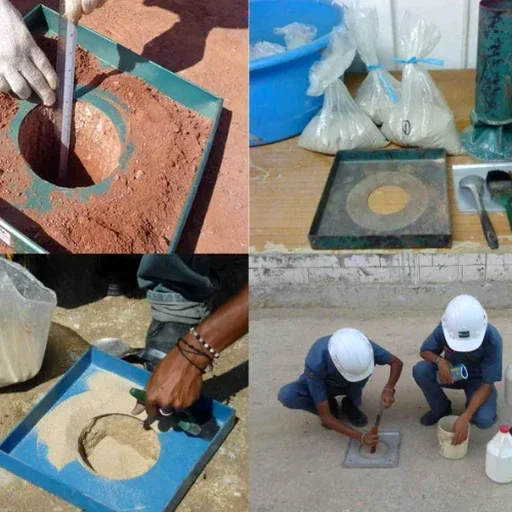
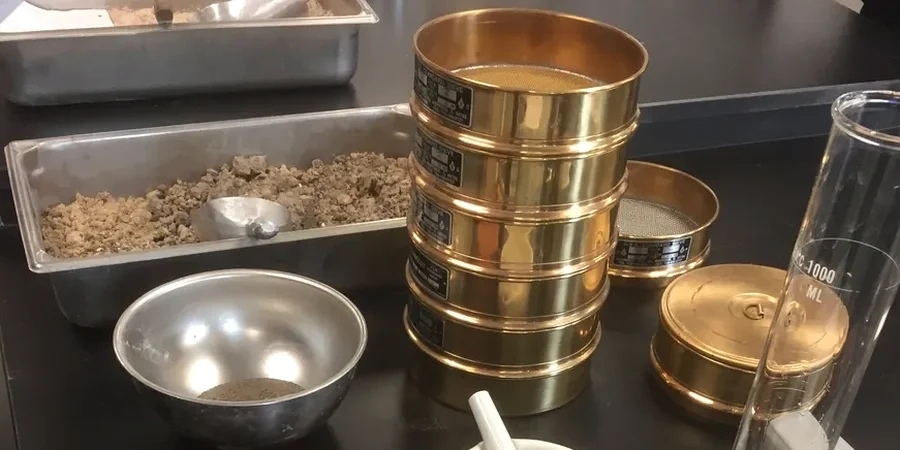
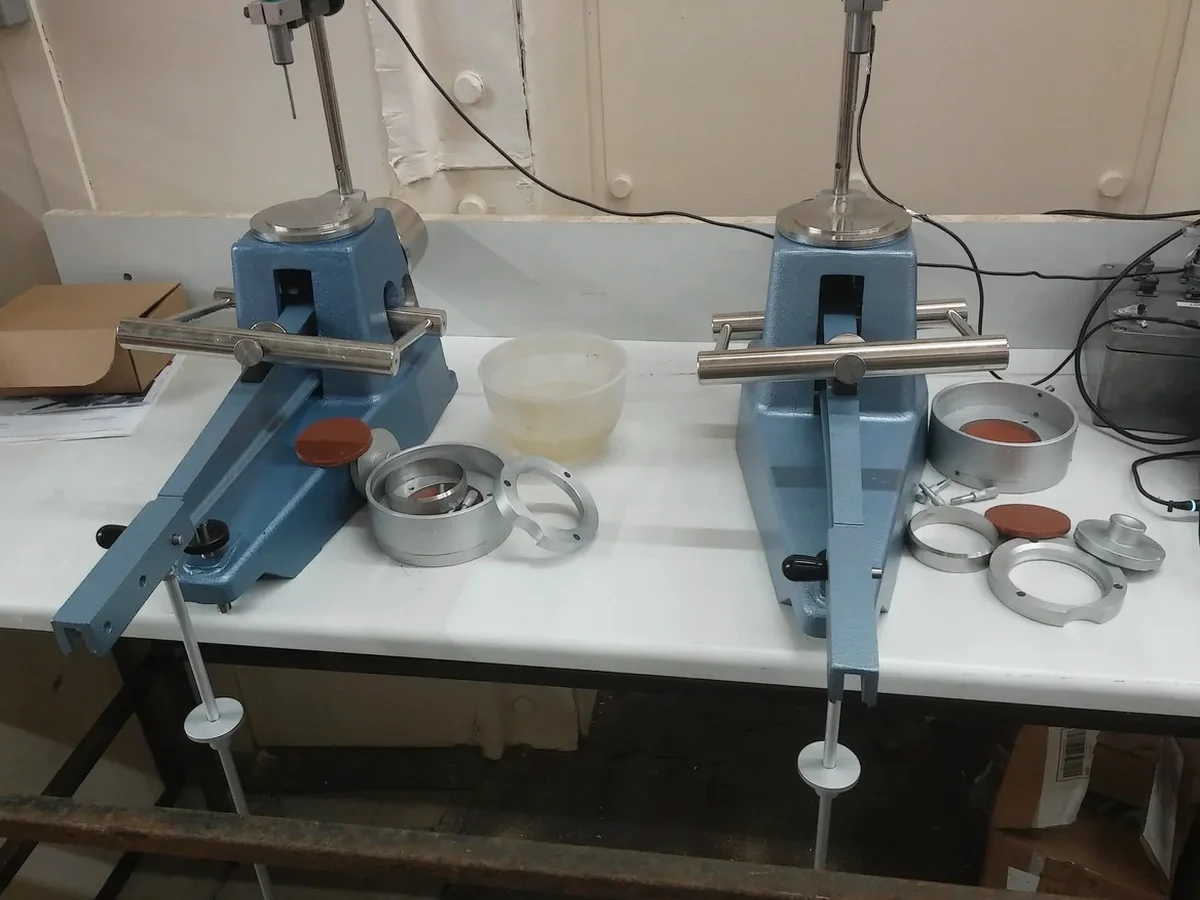
A recent warehouse project off Mines Road hit a snag when the excavation revealed a layer of highly plastic clay just six feet below the surface. The contractor’s initial assumption of a silty sand cap was quickly overturned by a simple but powerful test. In Laredo, where the near-surface geology shifts dramatically from the gravelly terraces west of I-35 to the fat clays of the Rio Grande floodplain, knowing your soil’s Atterberg limits isn’t just a box to check—it’s what keeps a slab from heaving during our brutal summer dry spells. Our lab runs the liquid limit and plastic limit on samples from across Webb County, giving the design team a plasticity index that directly feeds into the bearing capacity and swell potential calculations. We’ve seen how a plasticity index above 25 can completely change the foundation recommendation, pushing an engineer from a standard slab-on-grade to a deeper, stiffened mat foundation to manage the movement.
In Laredo’s alternating flood and drought cycle, the Atterberg limits are the difference between a stable foundation and a seasonally moving slab.