GEOTECHNICAL ENGINEERING
LAREDO
HomeGround improvementVibrocompaction design

Vibrocompaction Design in Laredo: Densifying Challenging Soils for Reliable Foundations

Knowledgeable. Thorough. Resourceful.

LEARN MORE

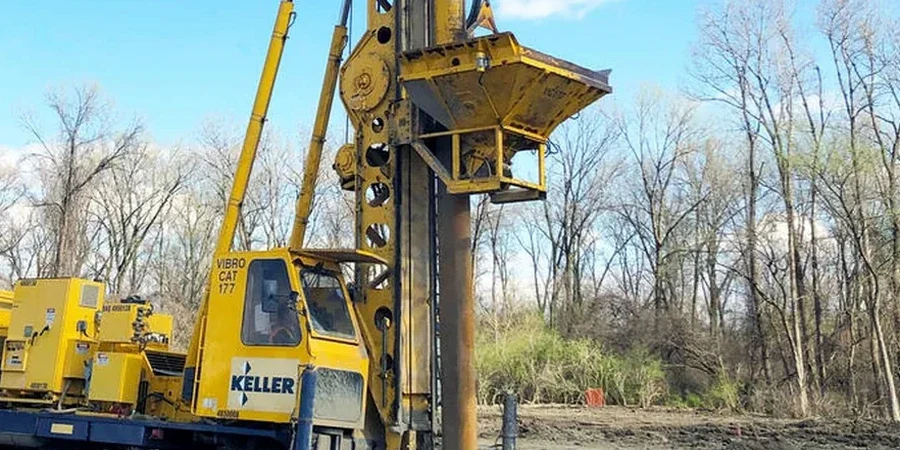
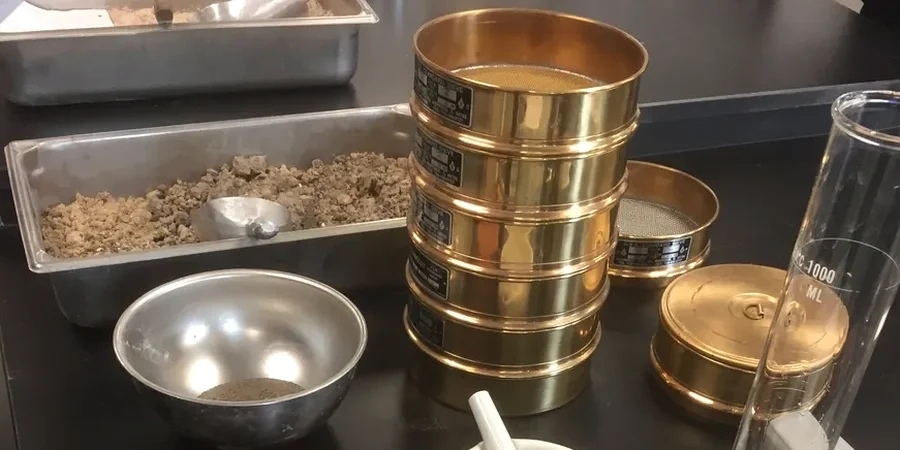
Soil conditions in Laredo shift dramatically from the caliche-rich terraces west of I-35 to the loose, saturated alluvial sands near the Rio Grande floodplain. Designing a foundation in the downtown historic district versus a new warehouse in the Mines Road corridor presents two completely different geotechnical challenges. The latter often requires ground improvement to prevent excessive settlement, which is where a rigorous vibrocompaction approach becomes essential. We develop vibrocompaction designs that specify grid spacing, probe depth, and energy input based on the relative density targets required by your structural engineer. Before finalizing any treatment plan, we correlate index properties with field behavior using grain-size analysis to confirm the soil is suitable for densification rather than replacement.

Effective vibrocompaction design in Laredo requires understanding the transition from stiff caliche to loose river sands within a single site footprint.
Our service areas

Methodology and scope

Laredo sits at approximately 450 feet above sea level, but the real story is underground: the Quaternary alluvium deposited by the Rio Grande reaches depths of 30 feet or more in the east, containing clean to silty sands with SPT N-values sometimes below 10. A proper vibrocompaction design must account for this vertical variability. Our methodology follows ASTM D1586 for pre- and post-treatment SPT verification and ASTM D2487 for soil classification. Key design parameters we define include vibrator frequency, amperage draw, and lift thickness. The process can densify granular soils to a relative density exceeding 70%, effectively eliminating collapse potential. We combine this with CPT testing to verify tip resistance improvements across the treatment grid, giving you a clear before-and-after profile of the site.
Vibrocompaction Design in Laredo: Densifying Challenging Soils for Reliable Foundations
Technical reference — Laredo

Site-specific factors

A 4-story medical office building near McPherson Road was planned on a site with 25 feet of loose, saturated sand overlying shale. The preliminary geotech report warned of potential differential settlement exceeding 2 inches. Without ground improvement, the mat foundation would have required over-excavation and structural fill—a costly and time-consuming alternative. We designed a vibrocompaction program with a 7-foot triangular grid, treating the full depth of the loose layer. Post-treatment CPT soundings confirmed a relative density increase from an average of 40% to 78%. The foundation design proceeded with a conventional spread footing system. Ignoring the loose alluvium would have led to angular distortion in the slab within the first five years, cracking floor finishes and binding door frames across the building.

Need a geotechnical assessment?

Reply within 24h.

Email: contact@geotechnical-engineering1.org

Regulatory framework

ASTM D1586 (Standard Penetration Test), ASTM D2487 (USCS Soil Classification), IBC Chapter 18 (Soils and Foundations), ASCE 7-22 (Minimum Design Loads)

Typical values

ParameterTypical value
Effective Depth Range15 to 60 ft below grade
Target Relative Density70% to 85% (standard for IBC)
Grid PatternTriangular or square, 5 to 12 ft spacing
Vibrator Power130 to 250 kW electric/hydraulic
Verification MethodPre/post SPT (ASTM D1586) or CPT
Suitable Soil TypeSands with <15% fines (ASTM D2487)
Settlement ReductionTypically 50% to 80% of untreated

Common questions

What is the typical cost range for a vibrocompaction design in Laredo?

The design phase typically ranges from US$1,270 to US$5,100, depending on the treatment depth and the number of pre- and post-treatment test locations required.

How deep can vibrocompaction treat loose soils effectively?

With conventional vibrators, we can effectively treat depths down to 60 feet. Deeper deposits may require a bottom-feed system or a staged approach from a working platform.

Do I need a separate soils report before vibrocompaction design?

Yes, an initial geotechnical investigation with SPT borings is necessary. We use that data to classify the soil per ASTM D2487 and determine if the fines content is low enough for densification.

How long does the design and verification process take?

Design work is usually completed within one week of receiving the initial geotechnical report. The field treatment and subsequent verification testing timeline depends on the site area, but a typical 10,000 sq ft site can be fully verified in two weeks.

What are the signs that vibrocompaction was successful?

We look for a consistent increase in CPT tip resistance or SPT blow counts across the grid. A relative density above 70% and the absence of soft zones in the verification data indicate the design targets were met.

Location and service area

We serve projects in Laredo and surrounding areas.

View larger map