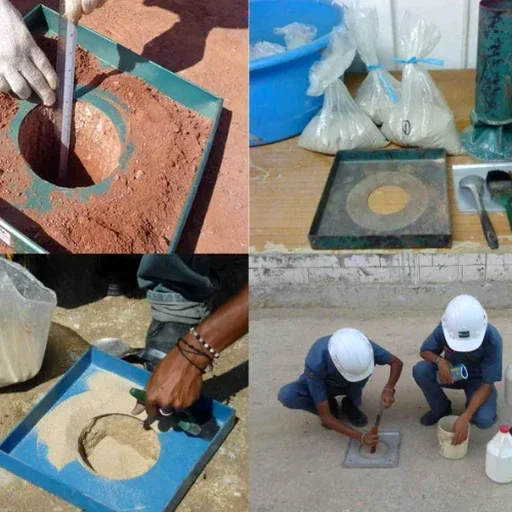
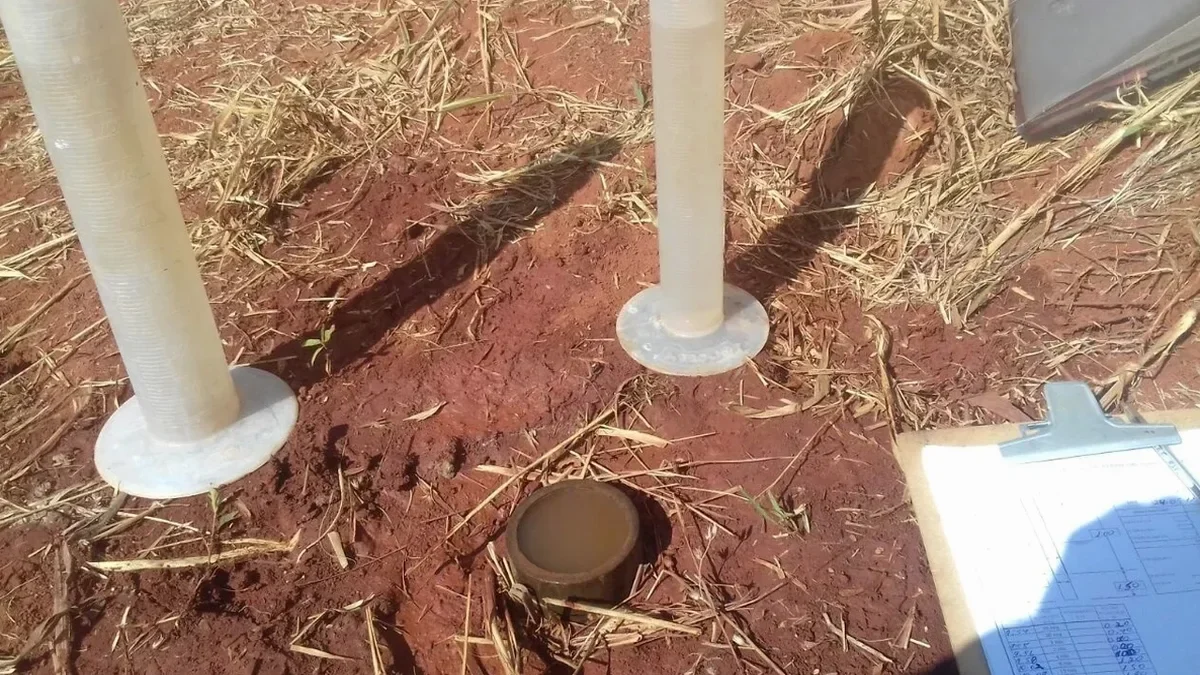
Laredo sits at the edge of the South Texas Plains, where near-surface geology shifts from Carrizo-Wilcox sandstone to Quaternary alluvium of the Rio Grande. That transition zone creates real uncertainty in water flow paths beneath a site. The IBC requires a rational assessment of subsurface drainage, and that is precisely what a field permeability test delivers. Our crew runs both the Lefranc method for granular soils and the Lugeon method for fractured rock, following ASTM D4630 and the pressure-step protocols of Houlsby. A single boring can yield a complete hydraulic conductivity profile in less than a day, feeding directly into dewatering design or foundation drain sizing. For sites near Chacon Creek or the river terraces, we often pair the permeability data with a CPT test to correlate soil behavior type with measured k-values, giving the geotechnical engineer a continuous picture of the subsurface.
A single Lugeon test in fractured Carrizo sandstone can reveal flow paths that a dozen lab permeameter samples would miss entirely.