GEOTECHNICAL ENGINEERING
LAREDO
HomeInvestigationExploratory test pit

Exploratory Test Pits for Site Investigation in Laredo

Knowledgeable. Thorough. Resourceful.

LEARN MORE

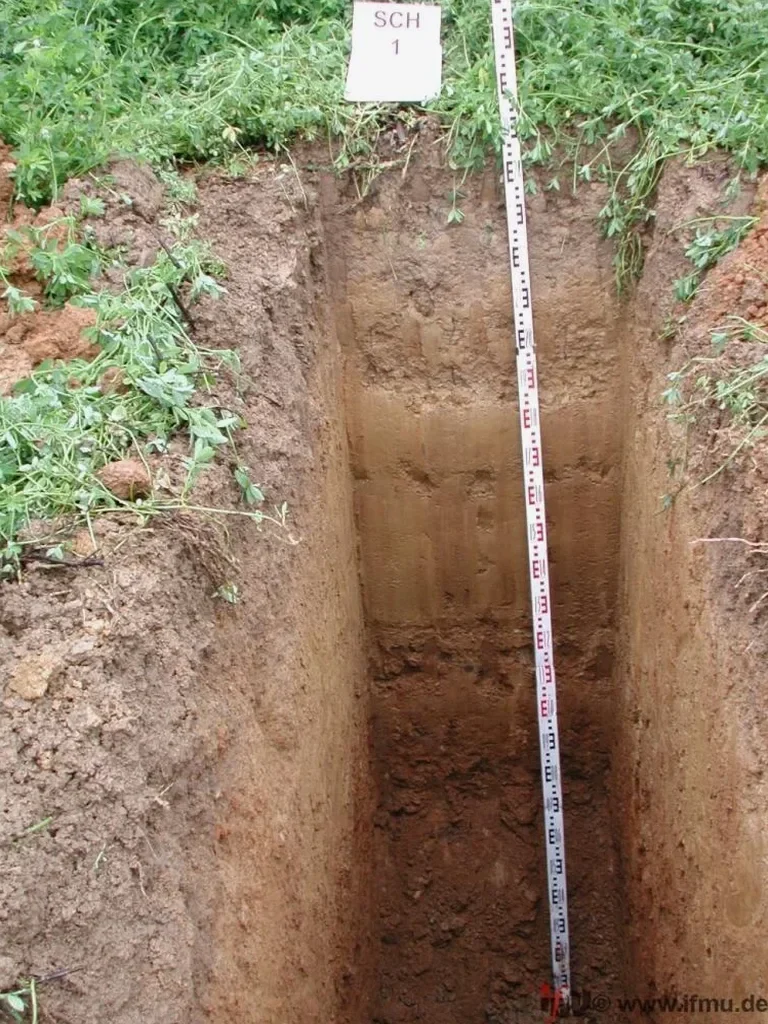
In Laredo, where the underlying Laredo Formation dictates shallow foundation behavior, the exploratory test pit remains one of the most direct methods to satisfy Chapter 18 of the IBC. Our team opens logged excavations that expose the caliche caprock, interbedded sandstones, and expansive clays common south of Lake Casa Blanca. Rather than relying solely on indirect geophysics, we physically document stratigraphy, collect undisturbed block samples, and assess seepage at depth—critical where perched water appears after heavy monsoon rains. For deeper refusal layers, we often combine the test pit with SPT drilling to correlate blow counts across the site, giving the structural engineer a continuous strength profile from surface to bearing stratum. Every excavation is backfilled and compacted under observation, leaving the pad ready for the next trade.

A single test pit exposes what a dozen SPT blows only suggest—direct observation of fill lenses, caliche continuity, and moisture migration paths.
Our service areas

Methodology and scope

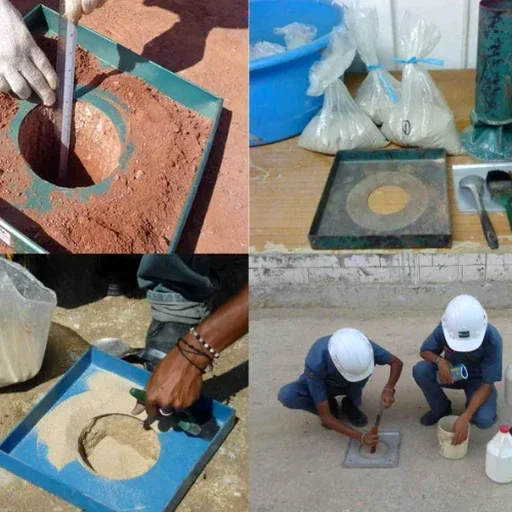
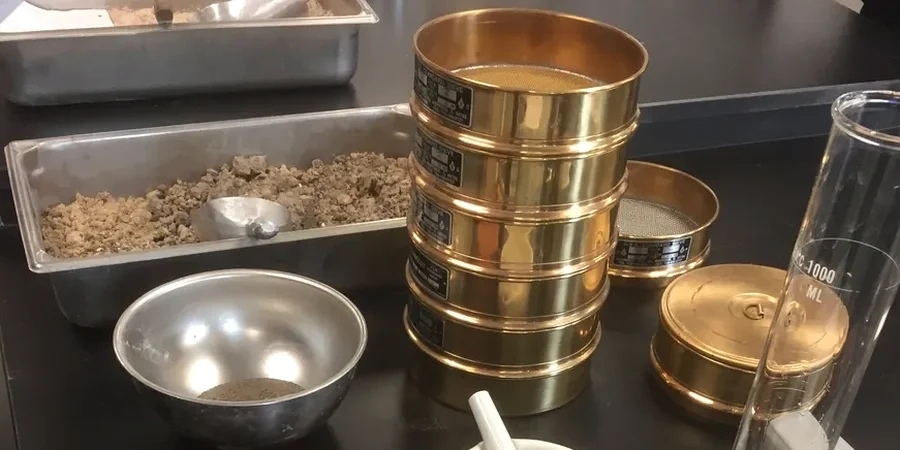
Over the years, we have learned that many Laredo projects sit on thin veneers of silty sand over highly plastic clay, a sequence that only reveals itself in a properly benched excavation. A plate load test on the exposed bearing surface then validates allowable pressure before the concrete is poured, linking visual inspection to a deformation modulus the structural designer can use. Our field logs follow ASTM D2487 for visual-manual classification, and we photograph every wall before sampling. The test pit also lets us measure in-situ density with the sand cone and extract large-diameter tube samples for laboratory strength testing. Because the Rio Grande floodplain deposits shift across short distances, we typically space pits at 50 to 75 feet on center for commercial pads, tightening the grid near old cut-and-fill boundaries visible in historical aerials.
Exploratory Test Pits for Site Investigation in Laredo
Technical reference — Laredo

Site-specific factors

A warehouse project off Mines Road encountered what the preliminary SPT log called “stiff clay,” but the test pit revealed a six-inch-thick saturated silt seam at nine feet that had gone completely undetected. That seam, exposed during a single afternoon of excavation, changed the foundation recommendation from isolated footings to a rigid mat with a capillary break. Missing such a detail in Laredo’s interbedded Laredo Formation can lead to differential settlement that cracks tilt-wall panels within the first two summers. The test pit also flags old burn pits or buried construction debris—artifacts we have found on infill parcels near the old rail corridor. If you skip the visual confirmation, you are designing on assumptions that even a well-executed CPT sounding may not fully clarify.

Need a geotechnical assessment?

Reply within 24h.

Email: contact@geotechnical-engineering1.org

Regulatory framework

IBC 2024 Chapter 18 (Soils and Foundations), ASCE 7-22 Section 11.8.3 (Site Soil Classification), ASTM D2487 (USCS Classification of Soils), ASTM D1557 (Modified Proctor Compaction), OSHA 29 CFR 1926 Subpart P (Excavation Safety)

Typical values

ParameterTypical value
Typical Excavation Depth8 to 14 ft below grade (deeper with benching approval)
Excavation MethodTracked excavator with smooth bucket, 24 to 36 in wide
Soil Classification StandardASTM D2487 (Unified Soil Classification System)
Sampling TechniqueBlock samples, Shelby tubes pushed from pit floor, bulk bags
In-Situ Testing ComplementsSand cone density, hand vane shear, pocket penetrometer profile
Groundwater Observation24-hour stabilized level after excavation, noted on log
Backfill SpecificationLift-compacted native material to 95% of modified Proctor (ASTM D1557)
Typical Laredo Bearing StrataCaliche caprock of the Laredo Formation, pale sandstone lenses

Common questions

How does the exploratory test pit differ from SPT or CPT borings for a Laredo site?

The test pit gives us a continuous visual wall of soil that we log, photograph, and sample by hand. SPT and CPT give point data at discrete depths. In Laredo’s layered caliche and clay sequences, the pit reveals thin seepage seams, fill pockets, and fracture patterns that a boring can easily miss. We typically use pits to calibrate a broader boring program, not to replace it.

What is the typical cost range for an exploratory test pit in Laredo?

For a standard 8 to 12-foot pit with full logging, photography, sampling, and a summary report, the cost generally falls between US$480 and US$950 per pit. The final price depends on depth, access constraints, number of samples collected, and whether traffic control or trench shoring is required.

Do you need a permit or utility clearance before excavating a test pit in Laredo?

Yes. We coordinate with Texas 811 for utility locates at least two business days before mobilization. If the pit is within the city right-of-way or requires traffic control, we pull the necessary encroachment permit through the City of Laredo. We handle the entire notification process so the contractor does not have to.

Can you perform test pits on slopes or near existing foundations?

We can, provided we bench the excavation properly or use trench boxes where OSHA requires. Near existing footings, we keep the pit at a setback equal to the depth or use hand-dug probe extensions. Our competent person inspects the excavation daily, and we backfill immediately after logging to minimize open-hole time.

Location and service area

We serve projects in Laredo and surrounding areas. More info.

View larger map