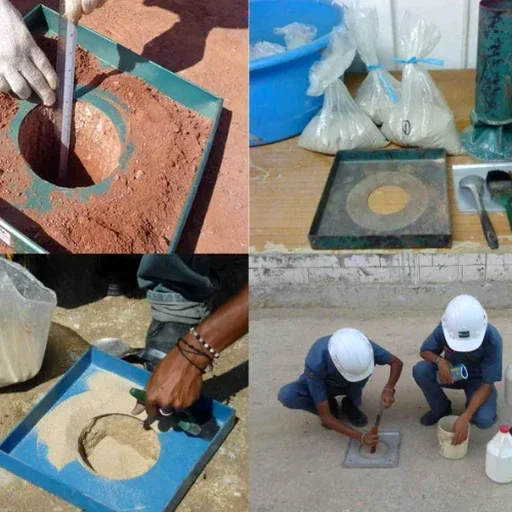
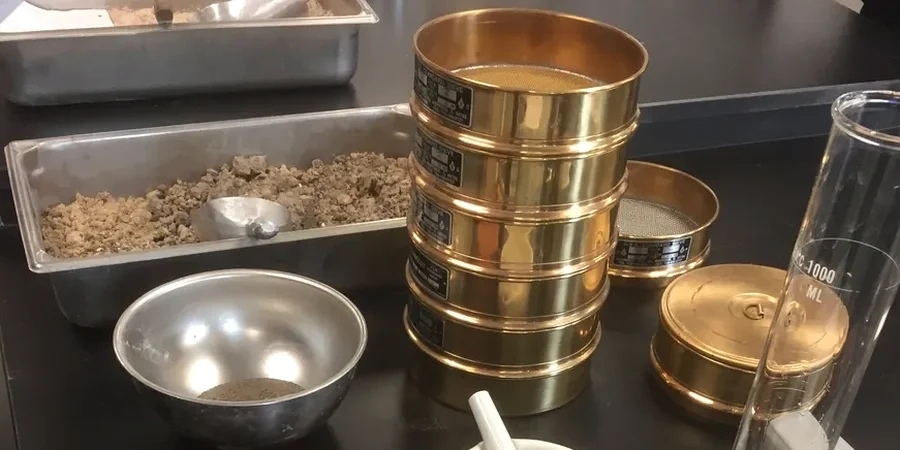
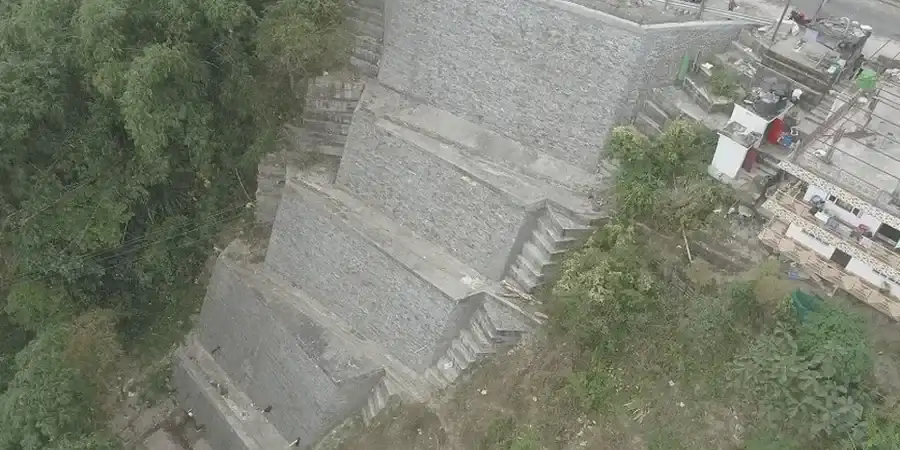
Building on the ancient Rio Grande terraces of Laredo means you are dealing with soils that can shift from stiff clay to silty sand in the span of a few city blocks. That variability is exactly why a field density test is not just a box to check. The semi-arid heat, with summer highs routinely hitting 100°F, bakes moisture out of compacted lifts faster than most contractors expect, and if your soil isn't locked in tight, you are looking at settlement problems before the stucco even goes up. We run ASTM D1556 sand cone tests across Webb County to give you a hard number on in-place density, comparing it directly against the Proctor curve so you know the subgrade under that warehouse slab or the backfill behind that retaining wall will hold up through Laredo's flash-flood cycles and long dry spells. For a broader look at the soil profile before compaction begins, we often pair this with a standard SPT drilling program to map out exactly what layers you are dealing with underneath the top lifts.
In Laredo's flash-flood terrain, a 2% compaction deficit can mean the difference between a stable slab and a cracked foundation after one heavy monsoon season.